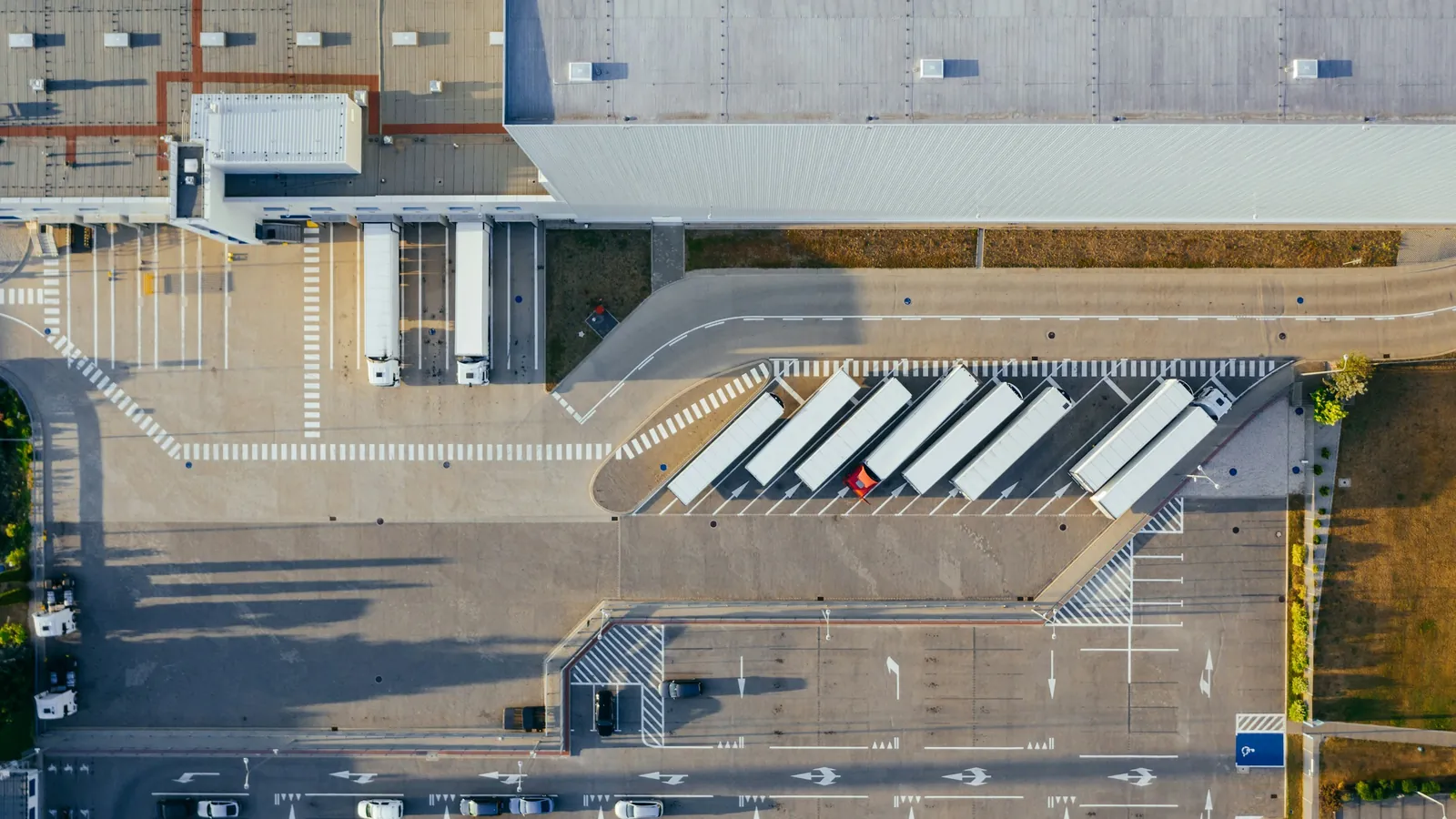
Distribution employers straddle the DOT line: the drivers are federally covered, and the much larger warehouse workforce is covered by whatever the company policy provides, with the usual catch that a warehouse lead or dispatcher who occasionally drives a commercial vehicle is a DOT driver for that function. PSI runs both sides in one program, with collections scheduled around shifts, including on-site events for high-volume hiring or a random selection that lands across a big roster.
What this looks like in practice
- Fleet drivers pooled under FMCSA rules alongside a policy pool for the building
- High-volume hiring events with same-site candidate screening
- Multi-shift operations that need collections in more than one window
- Multi-site networks under one program
How PSI runs it
- Both pools run by the same administrator, with one point of contact
- On-site collections that fit shift patterns
- Screening throughput matched to hiring volume
Common questions
Our drivers are DOT but the warehouse is much larger. Can you cover both?
Yes. The drivers go in a DOT pool; the warehouse workforce is covered under a non-DOT policy pool, on the same cycle, under one administrator, with the two kept completely separate as the rule requires.
We hire in big waves. Can collections keep up?
Yes. We run on-site collection events for high-volume hiring and schedule around multiple shifts, so a big intake keeps moving.