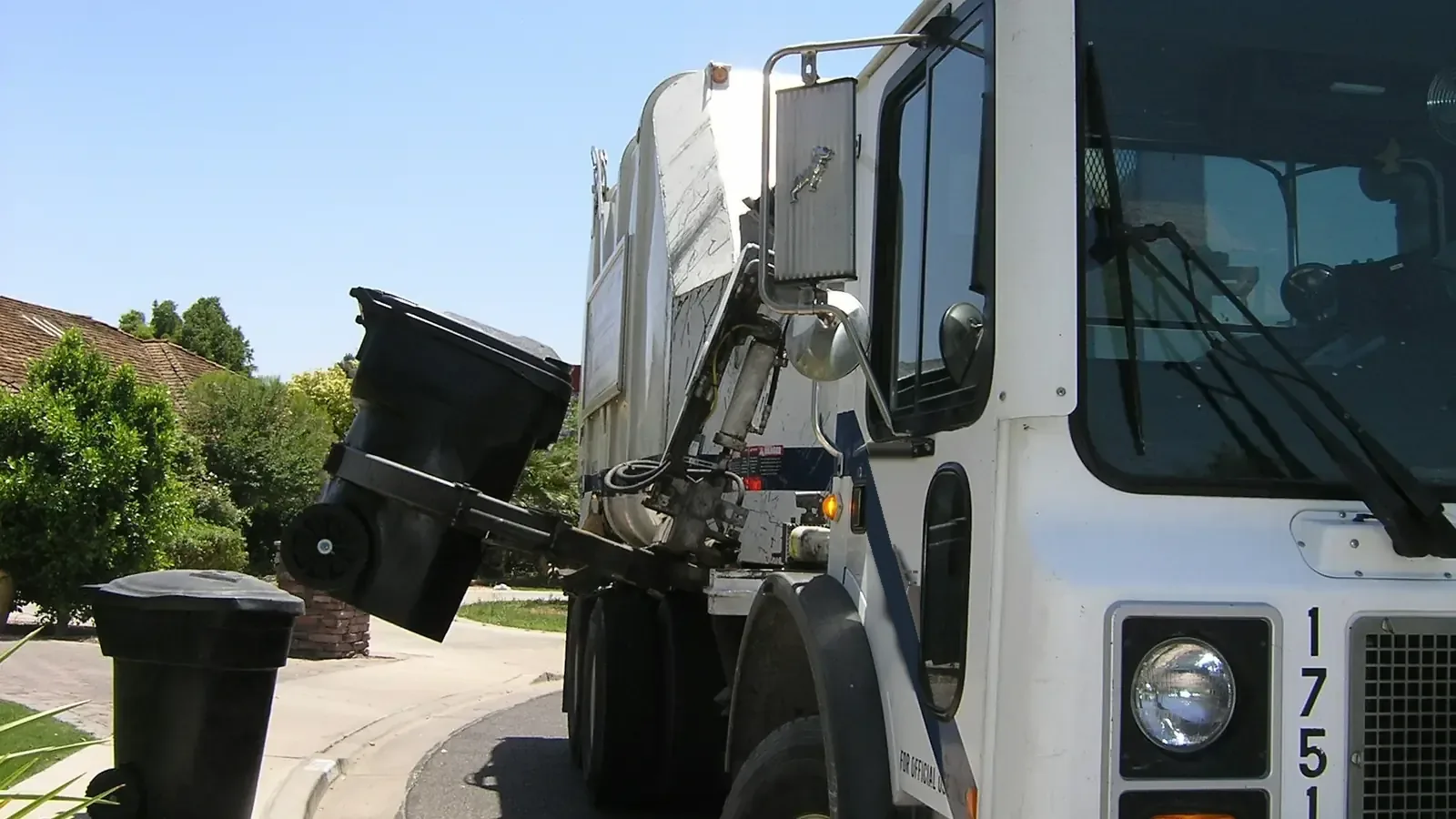
Public employers run some of the most scrutinized testing programs there are. CDL drivers in public works, sanitation, and school operations fall under the same FMCSA rules as any private fleet. Two neighbors are governed differently: an operation that receives Federal Transit Administration funding follows FTA rules at 49 CFR Part 655 rather than Part 382, and New Jersey police departments test under the Attorney General's law enforcement drug testing policy. Outside the federal rules, a public employer's testing is constrained by the state and federal constitutions: random testing is defensible for safety-sensitive positions the policy defines, and the procedures are a subject for the bargaining units. PSI administers municipal programs with the documentation discipline that environment demands: compliant pools, on-site collections at the yard, supervisor training with certificates on file, policy work that respects those limits, and communication that fits how public agencies operate.
What this looks like in practice
- Public works and sanitation CDL drivers who need a compliant random program
- A supervisory layer that needs reasonable suspicion training, with records kept
- Policy development that has to survive counsel, labor, and constitutional review
- Yard collections that keep crews on route
How PSI runs it
- Documentation built for public-sector scrutiny
- Training delivered on site with completion certificates
- A single administrator across departments, with the policy pool limited to the safety-sensitive positions the policy names
Common questions
Our program has to survive public-records and labor review. Is your documentation up to that?
Yes. Public-sector programs are held to a higher documentation bar, and we keep pool records, selection lists, and training certificates organized for that scrutiny.
Can we cover both our CDL drivers and other departments?
Yes. CDL public-works and sanitation drivers go in a DOT pool. Other staff can be covered by policy, and for a public employer that means a pool limited to the safety-sensitive positions the policy defines, with the procedures worked out with the bargaining units. PSI can run both. Transit operations funded by FTA follow Part 655 instead, and we can point you to the right program for them.